But I don't care about the grade; I just want to be able to identify lots of plants without having to think about it.
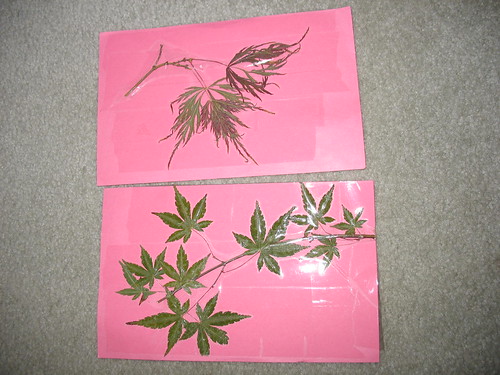
We'll start with the easy ones. The maple family, Aceraceae. Acer palmatum cv. dissectum atropurpureum and the species, A. palmatum. Even a sprig of A. palmatum under packing tape is enough to make me smile. Always a pretty plant. I don't care much for this cultivar tho'. It's a graft, and something about that bugs me. No thank you Laceleaf Japanese Maple. I'm just not that in to you.
Okay, a little bit harder. Griselinia littoralis and Aucuba japnoica. Is that how you spell 'Griselinia'? What's the cultivar name for the Aucuba? What family are these plants in? That's all test material.
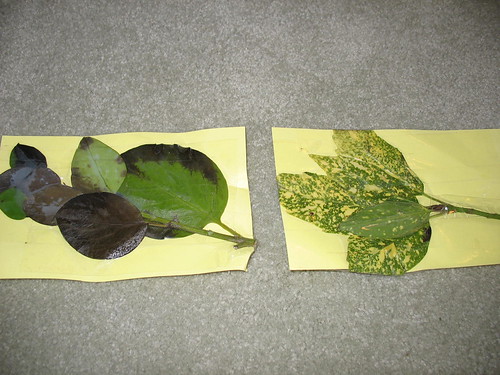
Answer: They're in the Dogwood family, Cornaceae! These plants don't look like dogwoods, so how am I going to remember that? I spelt Griselinia right (I like to say "Grosselinia"), and the Gold Dust Plant's cultivar name is variegata. Easy enough. I'll just have to memorize Cornaceae.
The Berberidaceae are easy for me, except sometimes I have a hard time remembering that Nandina domestica goes here. For some reason, I want to put it in the Buxaceae.
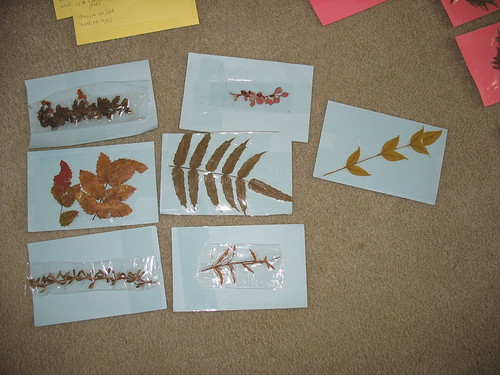
The teacher still calls two of these Mahonias (M. aquifolium and M. lomariifolia), although most sources I see have switched the genus name to Berberis. (And I have to remember it's lomariifolia with two i's.) I would like to some Mahonia aquifolium in my garden.
Okay Pepper Trees. Schinus molle is easy, and the other one (much less common, right?) is S. terebinthifolius. These are in Anacardiaceae, the same family as poison oak, mango and pistachio.
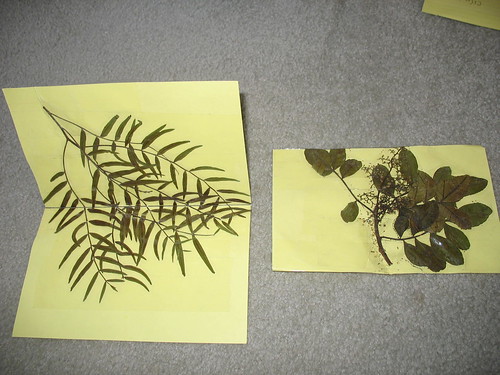
I'm going to have to come up with something for the S. terebinthifolius.
Araliaceae. I hate all these plants, but they're easy to identify.
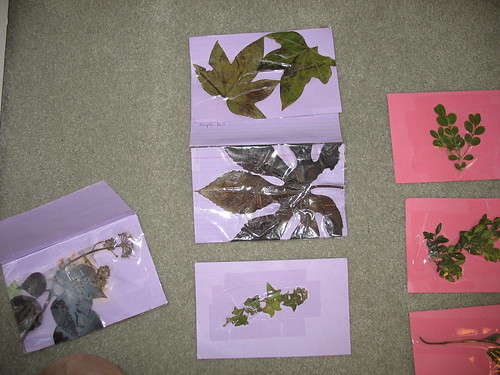
Hedera canariensis has two different foliage forms, and only the mature one flowers. That's something I didn't know before I took this class. We have that dreadful Algerian Ivy everywhere. It's awful. Hate, hate, hate. The Hedera helix just sounds like English Ivy, doesn't it? If you cross it with Fatsia japonica you get x Fatshedera lizei, which is one of my favorite plant names, although I loathe the plant. Apparently a common name for it is Botanical Wonder. Whoever came up with that should be smacked. (The only way for me to identify Fatsia japonica is by knowing it's not any of the others.)
Buxaceae.
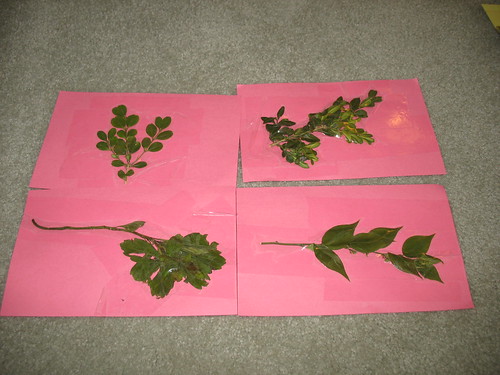
This was my first exposure to Pachysandra terminalis. It's not used very much on the west coast, but we read about it in east coast garden books. I had thought that Sarcococca ruscifolia would be a hard one to remember because it's an anonymous green shrub, but I can ID it by the acuminate leaf tips. Fragrant flowers born under the leaves. And I like the name. I just have to remember it's Sar-co-coc-ca, not Sarcocoa.
The English boxwood (B. sempervirens) can be distiguished from the Japanese (B. microphylla cv Japonica) by the notched leaf tip on the Japanese. The word for that notch is "emarginate" or even "retuse". I also have to remember it's B. microphylla cv. Japonica, and not just B. japonica.
Okay, the Cupressaceae are going to be hard no matter what I do.
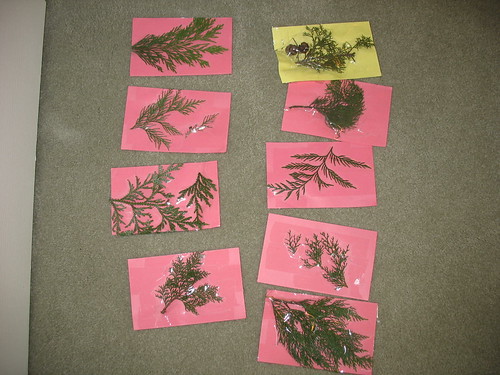
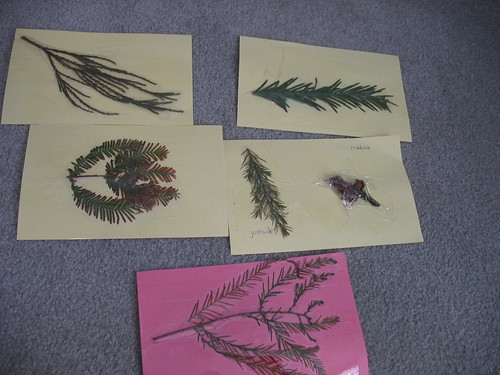
I can pull out three right away that I always know. Clockwise from the top left: Cupressus macrocarpa, Juniperus chinensis cv. torulosa, and Thujopsis dolbrata. The first two are everywhere, but the T. dolbrata is totally new to me. But it's completely different than the others, so no problem. Also, I like one of its common names: False Arborvitae.
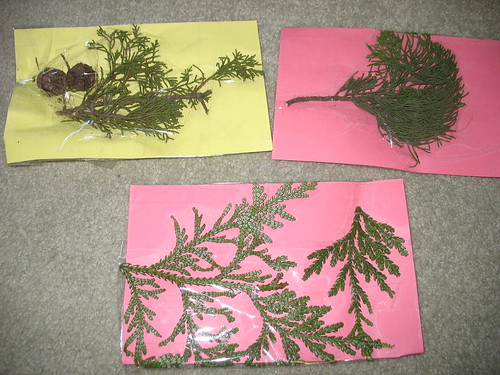
I can probably pull out the native Incense Cedar, Calocedrus decurrens, as well. It's flat and smells nice. The needles or scales also have a particularly elongated aspect.
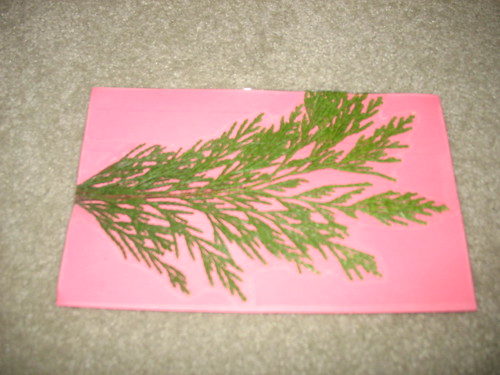
That still leaves these.
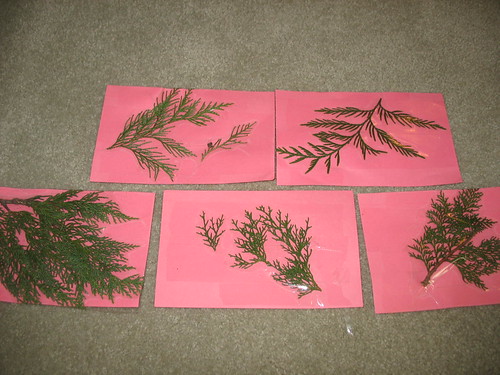
I'm supposed to have internalized some fact about how the Chamaecyparis are distinguised from the others by the presence of white lines on the undersides of the leaves. Of my specimens, this is really only true for the C. lawsoniana. I don't see any white lines on the C. obtusa (Hinoki Cypress). Also, must remember Chamaecyparis, not Chaemocyparis. I don't know why that's been so hard for me.
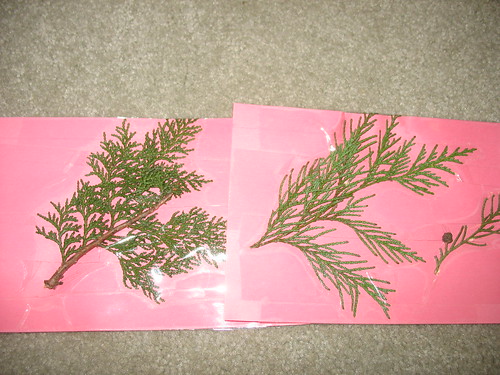
Up close, samples of the x Cupressocyparis leylandii look a lot like Cupressus macrocarpa, but the former is flattened at the branchlet tips, whereas the latter is not:
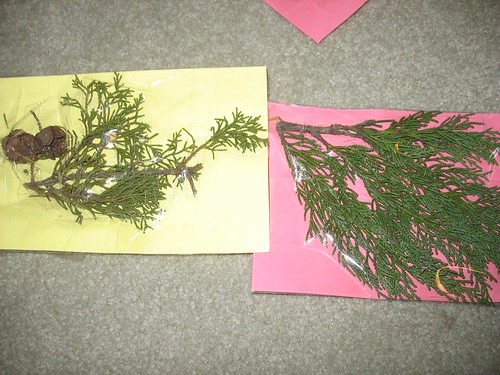
Of the others, Thuja plicata branchlets are particularly elegant among the Cupressaceae. Cupressus sempervirens cv. stricta seems to have swollen, slightly bulbous branchlet tips.
Okay, whatever. NEXT!
Easy.
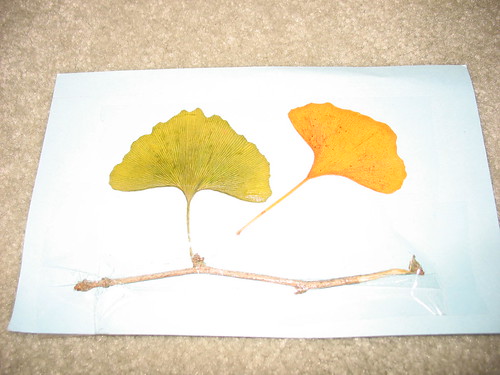
Easy, easy, easy.
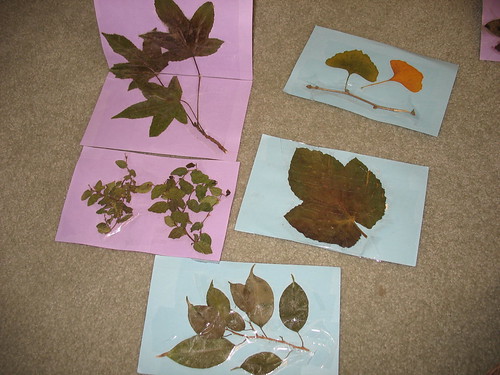
Okay, here are two hard figs.
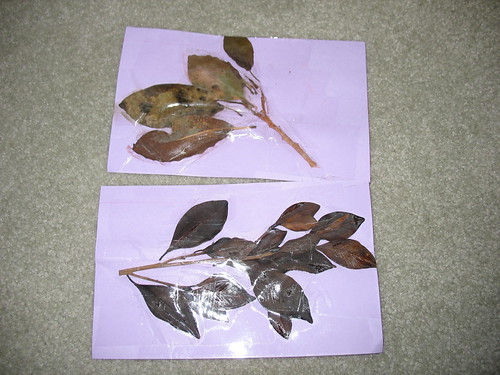
That's F. rubiginosa over F. retusa var. nitida. The rubiginosa has a rusty pubescence on the bottom of the leaf. The retusa has a tip like a nipple. What's the word for that?
You, I hate.
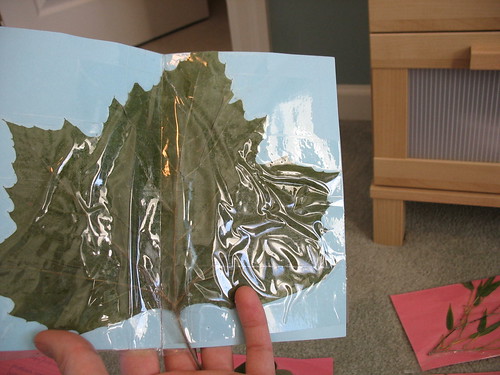
You, I don't hate. Sollya heterophylla. As far as the Pittosporaceae go, I can deal with you. "Polypetalous, campanulate flowers. Berries are a nice feature. Climbs shrubs and trees. Can grow under Eucalyptus". That last detail can be especially good to know in California.
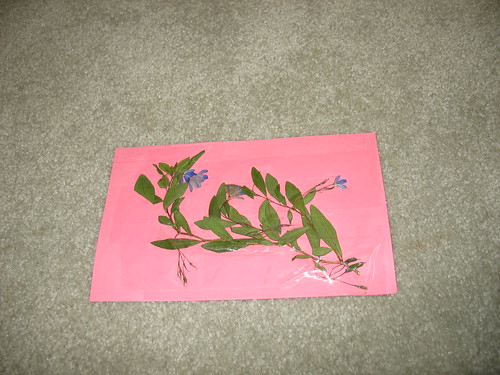
And what's this generic bit of greenery?
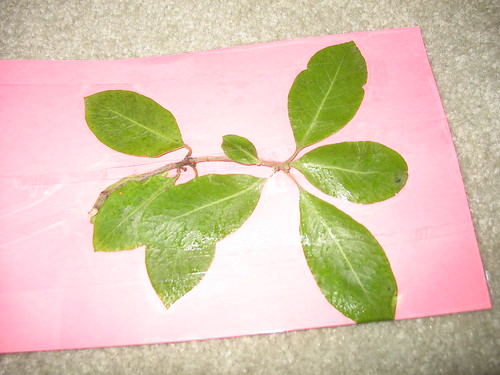
Must be another Pittosporum. But which one? P. tenuifolium. From New Zealand, the native common name is Tewhiwhi or Kohuhu.
I guess I didn't manage to successfully copy pictures of the other four Pittosporums on my plate. P. crassifolium and tobira both have revolute leaf margins, but the crassifolium additionally has a visibly tomentose underside, but the tobira does not. P. eugeniodes has a more undulated margin than P. undulatum. Okay, fine.
She only gave us the two most common willows. No problemo. Salix babylonica and S. matsudana cv. tortuosa.
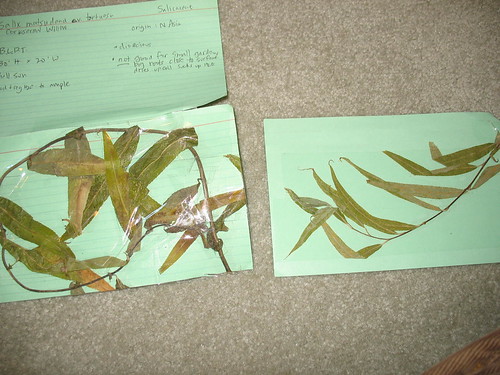
Isn't it funny that Populus nigra 'Italica' is in the willow family too? Here it is with the native holly leaf cherry, Prunus illicifolia (Roseaceae).
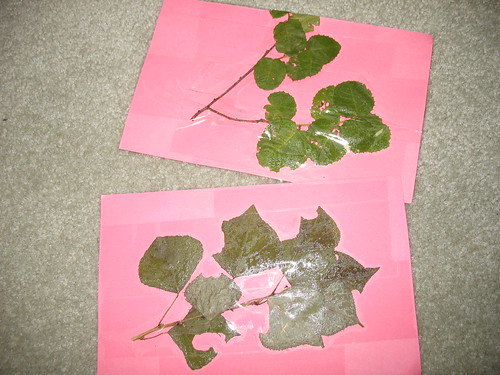
Also in the roses, the dreadful cotoneasters.
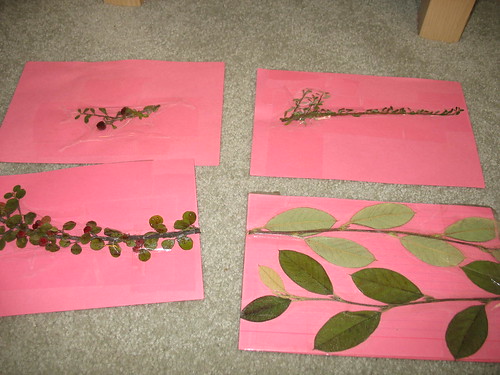
We have four: C. lacteus (easiest one to spot), C. microphyllus (the tiniest leaves), C. horizontalis (very round leaves) and C. conspicuous decorus (prettiest).
Why have a grody Pyracantha coccinea when you could have the lovely native Heteromeles arbutifolia? I don't get that.
Hissss!!!
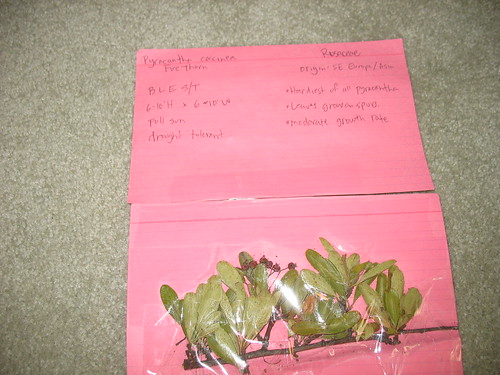
Yay!!!
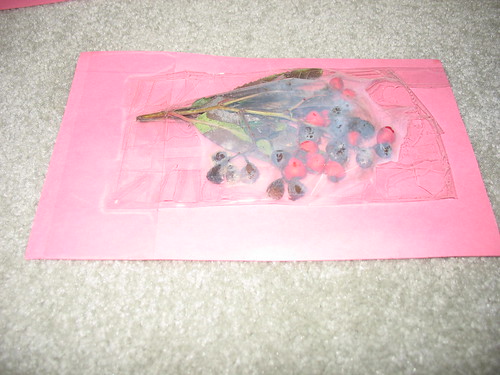
(Okay, yes, it's all rotty in my specimen card. Use your imagination.)
I still have a lot more to go, but I'm getting tired. I know you are too.
Let's finish this on an up note. A way high-up note. As in, 100, 200, 300 feet high up. Taxodiaceae. This includes the Giant Sequoias (Sequoiadendron giganteum), the Coast Redwood (Sequoia sempervirens), the once-believed-extinct Dawn Redwood (Metasequoia glyptostroboides), lovely Cryptomeria (Cryptomeria japonica), and that eastern fave, the Bald Cypress (Taxodium distichum). Beautiful, glorious trees, all of them.
When the Dawn Redwoods were first collected in China in 1948, three were brought back to the United States. Harvard got two of them, and one went to the Strybing Arboretum in San Francisco's Golden Gate Park. When the trees dropped their leaves and went dormant in the winter, Harvard thought they'd died and ripped theirs out. Folks were a little more mellow in San Francisco. So now we have the only tree from the original collection. Sadly, however, some gardener many years ago lifted its skirt. Oh well.